Observe the condition
Document cracks, alignment, materials and affected areas.
Condition-led repair planning
Foundation concerns range from localized cracks to conditions that need structural input. The repair scope should reflect the observed movement, materials and water conditions.
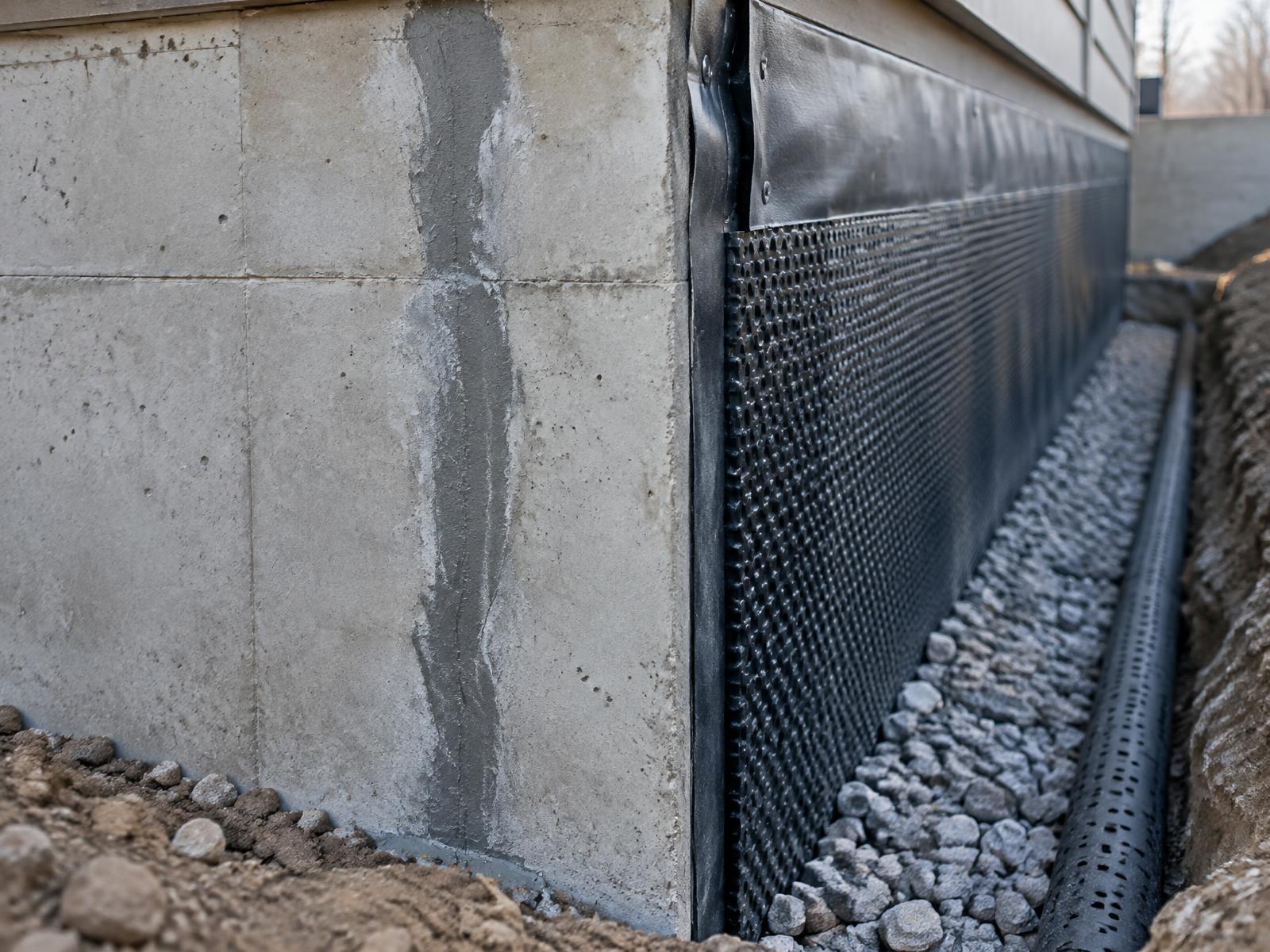
What to notice
These observations do not identify the repair on their own, but they help establish where a closer review should begin.
Cracks with visible displacement
Bowing or uneven wall areas
Water entry alongside deterioration
A considered approach
The exact sequence depends on access and site conditions, but the decision process should remain clear.
Document cracks, alignment, materials and affected areas.
Consider water, drainage, soil and nearby structural changes.
Identify when engineering or further investigation is appropriate.
Align structural and waterproofing work in the correct sequence.
Property-specific
No single detail should be considered in isolation. The surrounding structure and water conditions matter.
Pickering conditions
Heavy rainfall, snowmelt, freeze-thaw cycles, groundwater and aging foundation details can affect Pickering homes differently. The right scope connects what is visible inside with what is happening outside.
Clear answers
Useful starting points before arranging an assessment.
Start with a clear conversation
Tell us what you are noticing. We’ll help you arrange a conversation about the appropriate next step.